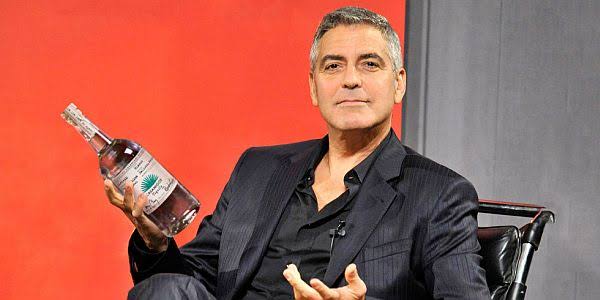
A few years back, I was scrolling through my phone at 1am, half-watching a documentary about George Clooney, when I heard something that made me sit up. Casamigos, the tequila brand he started with his buddies basically as a fun project for their own parties, sold for close to a billion dollars.
I remember pausing the video and just staring at the ceiling for a minute. Not because I didn’t believe it, but because it reframed how I thought about “side hustles” completely. I’d always pictured celebrity side projects as vanity moves, something they slap their name on and forget about. Turns out some of them are run like actual businesses, with actual strategy behind them, and some fail just as hard as anyone else’s does.
That documentary sent me down a research hole that lasted way longer than I’d like to admit. I ended up comparing dozens of celebrity ventures, the ones that blew up and the ones that quietly disappeared, and I picked up some genuinely useful lessons along the way. If you’ve ever thought about starting something on the side yourself, this is worth reading before you spend a dollar.
The Side Hustles That Actually Blew Up
Let’s start with the wins, because there are some genuinely wild success stories here.
George Clooney’s Casamigos. He co-founded it with Rande Gerber and Mike Meldman, and it started as something they just wanted for themselves rather than a product meant for shelves. Diageo bought it in 2017 for a deal reportedly worth up to $1 billion. What stuck with me is that it wasn’t built around Clooney’s face on the bottle, it was built because the product itself was genuinely good, and the story behind it felt real.
Rihanna’s Fenty Beauty. Launched in 2017 with an inclusive shade range that other big beauty brands had ignored for years. It’s now valued somewhere around $2.8 billion, and by most accounts, it’s made her wealthier than her entire music career combined.
Hailey Bieber’s Rhode. This one’s more recent and honestly fascinating to watch unfold. Founded in 2022, it leaned into a minimalist “clean girl” aesthetic and built a genuine community around a handful of products, most famously the Peptide Lip Treatment. It got acquired by e.l.f. Beauty in a deal reportedly worth up to $1 billion.
Dwayne Johnson’s Teremana Tequila. Marketed as “the people’s tequila,” it grew fast partly because Johnson leaned into his existing fanbase with a marketing style that felt personal rather than like an ad campaign.
Mark Wahlberg’s Wahlburgers and F45 Training. He didn’t just put his name on a burger chain, his family actually runs the day-to-day of Wahlburgers, and he was an early investor in F45, the fitness franchise that went public in 2021 at a value near $1 billion.
Robert De Niro’s Nobu. Partnering with chef Nobu Matsuhisa, this grew from a single restaurant into a global brand with hotels and resorts, now valued at more than $500 million.
Dolly Parton’s Dollywood. One of the older examples on this list, and honestly one of the most consistent. It’s stuck around for decades because it’s tied to something authentic, her actual roots in Tennessee, rather than a trend she was chasing.
The Ones That Didn’t Work Out (And Why That Matters More)
This is the part that actually changed how I think about starting anything myself.
Kim Kardashian’s skincare line SKKN shut down. Kate Moss’s wellness brand Cosmoss went into liquidation. Addison Rae’s Item Beauty and Selena Gomez collaborator Hyram’s Selfless brand both quietly disappeared from Sephora shelves after struggling to hold onto momentum.
I asked myself why some of these flopped when the celebrities behind them had way bigger platforms than some of the winners. The answer I kept running into, from marketing folks who study this stuff, is that a lot of these brands were built around “people love me, they’ll love my product” instead of building an actual community or a product people needed. Kelsey Hogan, who runs a marketing agency and has been quoted talking about this exact pattern, put it simply: the ones that survive build a whole world around the brand where people feel like they belong, not just something with a famous name slapped on a box.
That distinction hit home for me. Fame gets you attention once. It doesn’t automatically get you repeat customers.
What I Actually Learned Trying to Apply This to My Own Side Projects
I’ll be honest, my first attempt at a side project years ago followed the exact mistake I just described. I built something because I thought my existing audience would automatically want it, without checking if it solved an actual problem for them. It didn’t go anywhere, and I wasted a few months and some money I didn’t need to spend.
What changed things for me was realizing that even celebrity side hustles that look like “just cashing in on fame” almost always have one of these two things going for them: a genuinely useful product, or a real personal story that people connect with. Casamigos worked because the tequila was actually good. Rhode worked because Hailey Bieber talked about her own skin struggles before launching anything.
Step-by-Step: What You Can Actually Take From This
You’re probably not launching a billion-dollar tequila brand anytime soon, and neither am I, but the same principles scale down.
- Start with a problem you’ve personally dealt with, not a product you think would be trendy. Christina Collura, who built an educational toy company, started because she couldn’t find the right tool to help her son with fine motor skills. That personal “why” is what made people trust the brand.
- Validate before you build. Post about the idea, ask people directly, run a small test batch if it’s a physical product. Don’t assume interest, confirm it.
- Pick a platform that matches the skill, not just the trend. If you’re good at teaching, sites like Wyzant let you set your own rate and keep the majority of what you earn. If you’re into content, treat it like an actual business with goals rather than random posting.
- Keep your day job costs covered while you test. Almost every side hustle success story, celebrity or not, started as something run alongside their main income, not instead of it.
- Track your actual numbers. Even something like premium tea reselling can bring in real monthly income once you understand your suppliers and margins, but only if you’re tracking it instead of guessing.
Common Mistakes I See People Make (Myself Included)
- Assuming your existing audience automatically wants whatever you build. Attention and demand are two different things.
- Copying a trend instead of solving a problem. The beauty market got so saturated with celebrity skincare lines that even famous names started struggling to stand out.
- Underestimating how much work goes on behind the name. Mark Wahlberg’s family actually runs Wahlburgers day to day. It’s not just a logo he agreed to use.
- Quitting too early or going all in too fast. Most of these successful side projects took years of consistent work before they became “overnight successes” in headlines.
Final Thoughts
What I keep coming back to after all this research is that fame isn’t a shortcut, it’s a spotlight. It can get people to look at your product once. Whether they stay depends entirely on whether there’s something real behind it.
I still think about that Casamigos story sometimes when I’m deciding whether to pursue a new project idea. Not because I’m trying to build the next billion-dollar brand, but because the question behind it is a good one to ask yourself honestly: would this idea work if nobody already knew your name?