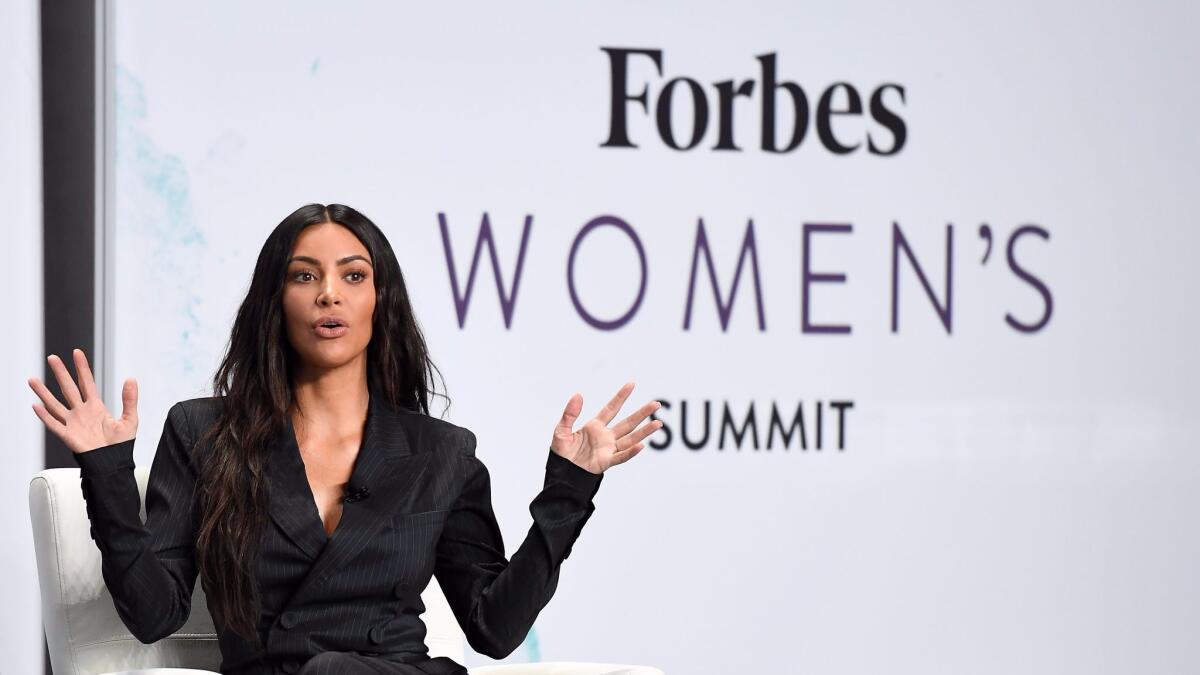
I’ll admit something a little embarrassing — for years I genuinely thought Kim Kardashian was “just” the face slapped on a bunch of products other companies made. Perfume with her name on it, a mobile game, maybe some makeup. That was my whole mental model of her business life, and honestly, that used to be pretty accurate.
Then I actually sat down and mapped out what she owns today versus what she used to license her name to, and the difference floored me. This isn’t a “celebrity with a side hustle” situation anymore. It’s a genuine ownership-first business portfolio, and the shift in her strategy is actually a useful case study if you’re building any kind of personal brand yourself.
The Big One: SKIMS
If you know one Kim Kardashian business, it’s this one. SKIMS is a shapewear and apparel brand she co-founded in 2019 alongside Jens Grede and Emma Grede — and yes, it was originally called Kimono Intimates before a wave of criticism over cultural appropriation (the name too closely echoed the traditional Japanese garment) pushed a rebrand to SKIMS.
Here’s the part that actually surprised me: this isn’t some vanity project propped up by her follower count. SKIMS reportedly generated around $1 billion in net sales in 2024, and the company’s valuation has climbed steadily — roughly $1.6 billion in 2021, $3.2 billion in 2022, $4 billion in 2023, and up to $5 billion after a funding round in late 2025 that included Goldman Sachs Alternatives.
She holds roughly a one-third ownership stake, and she’s the company’s creative director, not just a spokesperson. That distinction matters. When she pushed for a specific shapewear design early on that her own team was skeptical about, she reportedly won that argument — and it became one of the brand’s long-running bestsellers. That’s a founder decision, not an endorsement deal.
Recent expansion worth knowing about: SKIMS partnered with Nike in early 2026 on an athletic wear collection — think training gear, socks, and accessories designed to hit a gap in Nike’s female consumer base. It’s a smart move on paper: SKIMS brings fit expertise and a built-in audience, Nike brings manufacturing scale and technical fabric research neither company could easily replicate alone.
The Beauty Business (Which Has Actually Changed Names Three Times)
This is the part that trips people up the most when they try to Google her beauty brand, because it genuinely isn’t the same company it was a few years ago.
Here’s the timeline, laid out simply:
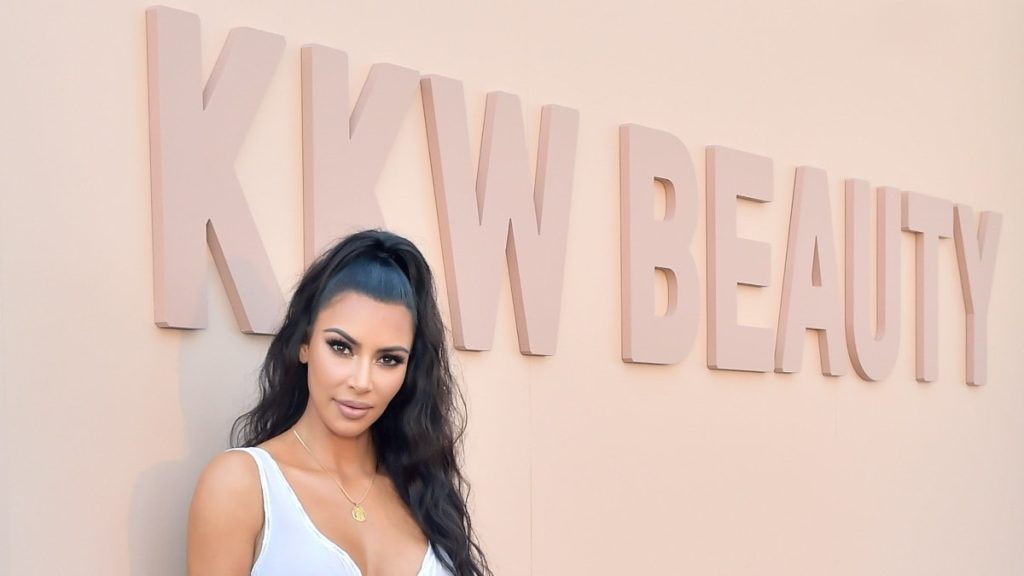
- KKW Beauty launched in 2017 — makeup and fragrance, and it did well fast, reportedly pulling in $100 million in first-year revenue.
- In 2020-2021, beauty conglomerate Coty bought a 20% stake in the brand for $200 million, valuing it around $1 billion at the time.
- In 2022, it was relaunched as SKKN by Kim, shifting toward a more premium, minimalist skincare positioning instead of full glam makeup.
- That relaunch reportedly underperformed compared to the original KKW Beauty era.
- In early 2025, SKIMS bought back Coty’s 20% stake, bringing beauty fully back under her control.
- SKKN by Kim was shut down in mid-2025.
- A new line called SKIMS Beauty is set to launch in 2026, led by Diarrha N’Diaye, the founder of the indie makeup brand Ami Colé.
If that reads like a lot of rebranding, that’s because it is. My read on it, watching from the outside, is that this isn’t indecision — it’s consolidation. Instead of running shapewear, skincare, and makeup as three separate companies competing for the same marketing budget and customer attention, everything’s getting folded under one SKIMS umbrella where it can cross-sell to a single existing audience. That’s a much more efficient structure than what she was running five years ago.
SKKY Partners: The Move Nobody Saw Coming
This is the one that genuinely changed how I thought about her as a businessperson. In 2022, she co-founded a private equity firm called SKKY Partners with Jay Sammons, a former Carlyle Group executive.
A celebrity launching a fragrance is expected. A celebrity co-founding a firm that invests in other companies is a completely different level of business involvement. SKKY focuses on consumer and media brands, and its portfolio reportedly includes stakes in the luxury skincare label 111Skin and the hot sauce and condiments brand Truff.
The logic behind it, based on how she’s talked about the move, is that she’s built genuine expertise in what makes a consumer brand resonate — marketing instinct, product timing, cultural relevance — and she’s pairing that with someone whose expertise is the financial and deal-structuring side she’s less familiar with. It’s basically her recognizing her own skill set and finding a partner to cover the gap, rather than trying to fake expertise she doesn’t have.
The Older, Smaller Ventures (For Context)
Before any of the above, there was Dash — a boutique she ran with her sisters starting back in 2007, right around when “Keeping Up with the Kardashians” first aired. It’s mostly a footnote now (the stores are long closed), but it’s worth knowing because it’s genuinely where the retail instincts started, years before SKIMS existed.
The Unexpected One: Law School
This isn’t a business, but it’s relevant enough to mention because it shapes how she’s positioned herself publicly. She’s been pursuing a law career through California’s Law Office Study Program — an apprenticeship-style path that doesn’t require law school, but does require passing the “baby bar” (which she did in 2021) and then completing a multi-year apprenticeship before sitting for the full California Bar Exam. She reportedly completed that apprenticeship requirement in 2026, making her eligible to attempt the bar exam again after previous unsuccessful attempts.
Why mention it in a business article? Because her criminal justice reform advocacy work has become part of her public brand, and brand and business are pretty tightly linked for someone whose companies rely on her personal image as much as SKIMS and SKKY do.
Common Mistakes People Make Trying to Explain Her Business Empire
- Assuming she still owns KKW Beauty or SKKN by Kim. Both are discontinued. If you see an article referencing either as a current, active brand, it’s outdated.
- Treating SKIMS like a celebrity fragrance deal. It’s a majority-founder-led company with real institutional investors (Goldman Sachs Alternatives, BDT & MSD Partners), not a licensing arrangement where she just collects a check.
- Confusing net worth with SKIMS’ company valuation. SKIMS being worth $5 billion doesn’t mean she’s personally worth $5 billion — she owns roughly a third of it, and her overall net worth estimates (commonly cited between $1.7 and $2 billion) factor in that partial stake plus her other ventures.
- Ignoring the ownership shift over time. Early in her career, she was mostly licensing her name to other people’s products. The entire arc of her last decade in business has been moving toward owning equity instead — that’s actually the most important trend in the whole story, and it’s easy to miss if you’re only looking at individual brand names.
Final Thoughts
What actually stuck with me digging through all of this is how much the underlying strategy has shifted even if the headlines haven’t caught up. The “reality star cashing in on fame” narrative made sense in 2007. It doesn’t really describe someone who owns a third of a $5 billion apparel company and co-runs a private equity firm.
If there’s a takeaway for anyone building their own brand off the back of an audience, it’s the same lesson SKIMS’ growth quietly demonstrates: licensing your name gets you a paycheck, but owning the equity is what actually compounds. That shift — from being paid to endorse something to being paid because you own it — is the real story here, even if the shapewear and the skincare rebrands are what get all the headlines.Kim Kardashian Businesses Explained: What She Actually Owns (And What She Doesn’t Anymore)
I’ll admit something a little embarrassing — for years I genuinely thought Kim Kardashian was “just” the face slapped on a bunch of products other companies made. Perfume with her name on it, a mobile game, maybe some makeup. That was my whole mental model of her business life, and honestly, that used to be pretty accurate.
Then I actually sat down and mapped out what she owns today versus what she used to license her name to, and the difference floored me. This isn’t a “celebrity with a side hustle” situation anymore. It’s a genuine ownership-first business portfolio, and the shift in her strategy is actually a useful case study if you’re building any kind of personal brand yourself.
The Big One: SKIMS
If you know one Kim Kardashian business, it’s this one. SKIMS is a shapewear and apparel brand she co-founded in 2019 alongside Jens Grede and Emma Grede — and yes, it was originally called Kimono Intimates before a wave of criticism over cultural appropriation (the name too closely echoed the traditional Japanese garment) pushed a rebrand to SKIMS.
Here’s the part that actually surprised me: this isn’t some vanity project propped up by her follower count. SKIMS reportedly generated around $1 billion in net sales in 2024, and the company’s valuation has climbed steadily — roughly $1.6 billion in 2021, $3.2 billion in 2022, $4 billion in 2023, and up to $5 billion after a funding round in late 2025 that included Goldman Sachs Alternatives.
She holds roughly a one-third ownership stake, and she’s the company’s creative director, not just a spokesperson. That distinction matters. When she pushed for a specific shapewear design early on that her own team was skeptical about, she reportedly won that argument — and it became one of the brand’s long-running bestsellers. That’s a founder decision, not an endorsement deal.
Recent expansion worth knowing about: SKIMS partnered with Nike in early 2026 on an athletic wear collection — think training gear, socks, and accessories designed to hit a gap in Nike’s female consumer base. It’s a smart move on paper: SKIMS brings fit expertise and a built-in audience, Nike brings manufacturing scale and technical fabric research neither company could easily replicate alone.
The Beauty Business (Which Has Actually Changed Names Three Times)
This is the part that trips people up the most when they try to Google her beauty brand, because it genuinely isn’t the same company it was a few years ago.
Here’s the timeline, laid out simply:
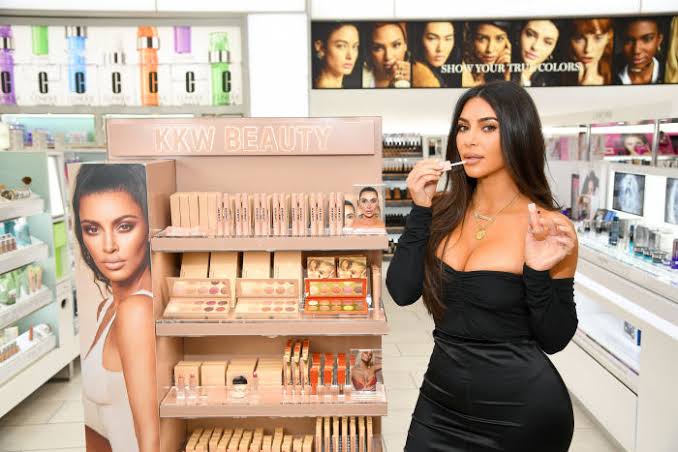
- KKW Beauty launched in 2017 — makeup and fragrance, and it did well fast, reportedly pulling in $100 million in first-year revenue.
- In 2020-2021, beauty conglomerate Coty bought a 20% stake in the brand for $200 million, valuing it around $1 billion at the time.
- In 2022, it was relaunched as SKKN by Kim, shifting toward a more premium, minimalist skincare positioning instead of full glam makeup.
- That relaunch reportedly underperformed compared to the original KKW Beauty era.
- In early 2025, SKIMS bought back Coty’s 20% stake, bringing beauty fully back under her control.
- SKKN by Kim was shut down in mid-2025.
- A new line called SKIMS Beauty is set to launch in 2026, led by Diarrha N’Diaye, the founder of the indie makeup brand Ami Colé.
If that reads like a lot of rebranding, that’s because it is. My read on it, watching from the outside, is that this isn’t indecision — it’s consolidation. Instead of running shapewear, skincare, and makeup as three separate companies competing for the same marketing budget and customer attention, everything’s getting folded under one SKIMS umbrella where it can cross-sell to a single existing audience. That’s a much more efficient structure than what she was running five years ago.
SKKY Partners: The Move Nobody Saw Coming
This is the one that genuinely changed how I thought about her as a businessperson. In 2022, she co-founded a private equity firm called SKKY Partners with Jay Sammons, a former Carlyle Group executive.
A celebrity launching a fragrance is expected. A celebrity co-founding a firm that invests in other companies is a completely different level of business involvement. SKKY focuses on consumer and media brands, and its portfolio reportedly includes stakes in the luxury skincare label 111Skin and the hot sauce and condiments brand Truff.
The logic behind it, based on how she’s talked about the move, is that she’s built genuine expertise in what makes a consumer brand resonate — marketing instinct, product timing, cultural relevance — and she’s pairing that with someone whose expertise is the financial and deal-structuring side she’s less familiar with. It’s basically her recognizing her own skill set and finding a partner to cover the gap, rather than trying to fake expertise she doesn’t have.
The Older, Smaller Ventures (For Context)
Before any of the above, there was Dash — a boutique she ran with her sisters starting back in 2007, right around when “Keeping Up with the Kardashians” first aired. It’s mostly a footnote now (the stores are long closed), but it’s worth knowing because it’s genuinely where the retail instincts started, years before SKIMS existed.
The Unexpected One: Law School
This isn’t a business, but it’s relevant enough to mention because it shapes how she’s positioned herself publicly. She’s been pursuing a law career through California’s Law Office Study Program — an apprenticeship-style path that doesn’t require law school, but does require passing the “baby bar” (which she did in 2021) and then completing a multi-year apprenticeship before sitting for the full California Bar Exam. She reportedly completed that apprenticeship requirement in 2026, making her eligible to attempt the bar exam again after previous unsuccessful attempts.
Why mention it in a business article? Because her criminal justice reform advocacy work has become part of her public brand, and brand and business are pretty tightly linked for someone whose companies rely on her personal image as much as SKIMS and SKKY do.
Common Mistakes People Make Trying to Explain Her Business Empire
- Assuming she still owns KKW Beauty or SKKN by Kim. Both are discontinued. If you see an article referencing either as a current, active brand, it’s outdated.
- Treating SKIMS like a celebrity fragrance deal. It’s a majority-founder-led company with real institutional investors (Goldman Sachs Alternatives, BDT & MSD Partners), not a licensing arrangement where she just collects a check.
- Confusing net worth with SKIMS’ company valuation. SKIMS being worth $5 billion doesn’t mean she’s personally worth $5 billion — she owns roughly a third of it, and her overall net worth estimates (commonly cited between $1.7 and $2 billion) factor in that partial stake plus her other ventures.
- Ignoring the ownership shift over time. Early in her career, she was mostly licensing her name to other people’s products. The entire arc of her last decade in business has been moving toward owning equity instead — that’s actually the most important trend in the whole story, and it’s easy to miss if you’re only looking at individual brand names.
Final Thoughts
What actually stuck with me digging through all of this is how much the underlying strategy has shifted even if the headlines haven’t caught up. The “reality star cashing in on fame” narrative made sense in 2007. It doesn’t really describe someone who owns a third of a $5 billion apparel company and co-runs a private equity firm.
If there’s a takeaway for anyone building their own brand off the back of an audience, it’s the same lesson SKIMS’ growth quietly demonstrates: licensing your name gets you a paycheck, but owning the equity is what actually compounds. That shift — from being paid to endorse something to being paid because you own it — is the real story here, even if the shapewear and the skincare rebrands are what get all the headlines.