I’ll admit it — I bought my first Rhode product out of pure curiosity, not because I thought a celebrity skincare line would actually hold up. I’d been burned before by influencer beauty brands that looked amazing in a TikTok video and then did absolutely nothing for my skin once I got them home. So when the Peptide Lip Treatment showed up on my doorstep in that plain, almost clinical-looking tube, my expectations were low.
A year and a half later, I’ve gone through three of those lip tubes, two bottles of the Barrier Restore cream, and I’ve watched this tiny three-product brand turn into something genuinely massive in the beauty world. So let’s talk about what’s actually behind that success, what it’s like using the products day to day, and what I wish I’d known before I dropped my first order.
The Brand That Started With Almost Nothing
Rhode launched back in 2022 with just three products — a peptide lip treatment, a barrier cream, and a glazing fluid, all built around the “glazed donut” skin look Hailey Bieber had already made famous online. That’s it. No sprawling 40-product catalog, no confusing routine with six different serums you’re supposed to layer in a specific order.
That minimalism is honestly what got me to try it in the first place. I didn’t have to commit to an entire system. I just bought the lip treatment, used it for two weeks, and decided from there whether the rest was worth trying.
Looking back, that restraint wasn’t an accident — it was the whole strategy. The brand deliberately avoided sprawling into haircare or heavy fragrance lines, staying locked into that “glazed skin” identity instead of chasing every trend. As someone who’s tried (and abandoned) way too many ten-step routines, I respect that focus more than I expected to.
The Numbers Actually Back Up the Hype
I know “it went viral” gets thrown around for basically every beauty brand now, so I wanted to check whether Rhode’s success was actually real or just noise. Turns out it’s real.
The company was acquired by e.l.f. Beauty for a billion dollars, and it doubled its customer base in 2025 alone, pulling in $212 million in net sales over a 12-month stretch while expanding into seven international markets. That’s not influencer-brand numbers, that’s legitimate consumer packaged goods numbers.
The actual deal structure was $800 million in cash and e.l.f. stock upfront, plus another $200 million tied to how well Rhode performs over its first three years under the new ownership. Hailey Bieber has also said in interviews that she wasn’t going to sell for anything less than a billion which tells you the team knew exactly what they’d built.
What surprised me most, though, was learning that the brand’s growth wasn’t really riding on Hailey’s personal fame the way I assumed. Only around 15% of the creator content mentioning Rhode actually name-dropped Hailey Bieber specifically, which honestly explains why my own feed is full of random people’s Rhode routines that have nothing to do with her.
My Actual Experience Using the Products
Okay, the part you probably actually care about. Here’s what using Rhode day-to-day has been like for me:
The Peptide Lip Treatment is genuinely the product that hooked me. It’s not medicated, it’s not tingly, it just feels like a slightly glossy, hydrating balm that doesn’t get sticky in my bag. I keep one in my car, one in my desk drawer, and yes, I eventually caved and bought the Lip Case phone case everyone made fun of and also secretly wanted.
The Barrier Restore Cream took longer to win me over. The first jar I bought, I used way too much product per application, thinking more equals better results faster. That was a mistake my skin felt greasy for the first week and I nearly gave up on it. Once I dialed back to a pea-sized amount, it actually settled in properly and my skin stopped feeling tight in the mornings.
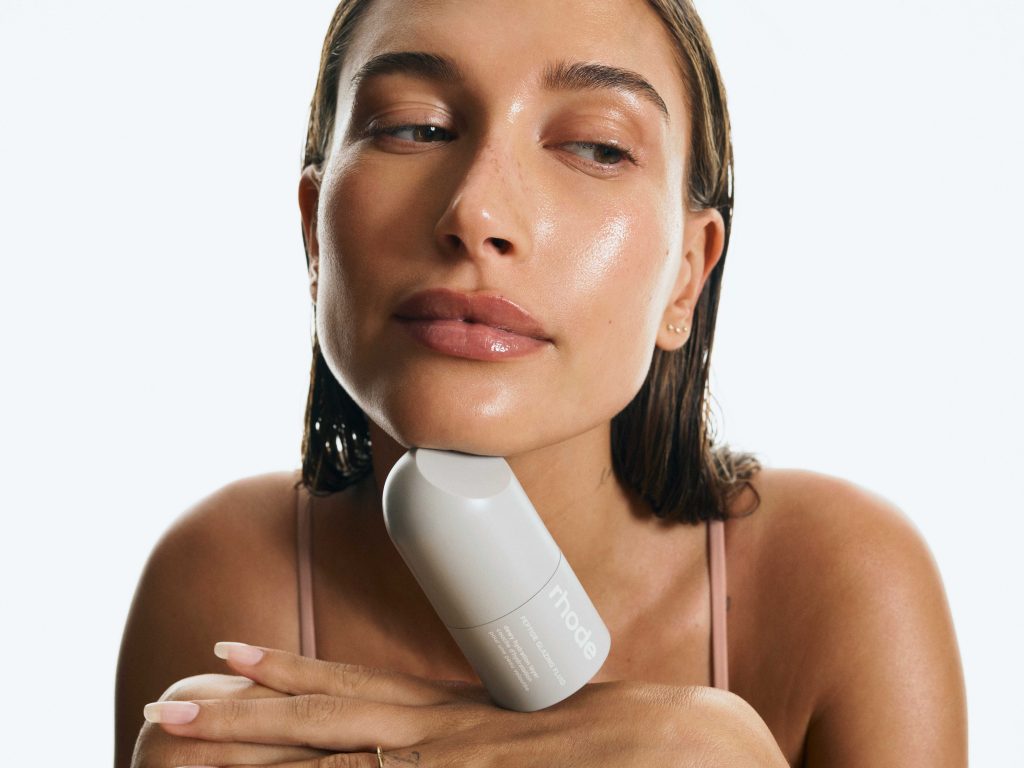
The Glazing Milk, which I picked up later, has become my actual go-to. It’s apparently become the brand’s top-performing skincare item across both Sephora and Rhode’s own site and after using it through a rough dry winter, I get why.
Step-by-Step: How I’d Actually Recommend Trying Rhode
If you’re on the fence, here’s the approach I wish someone had told me to take instead of just impulse-buying a bundle:
- Start with one product, not a set. I’d recommend the Peptide Lip Treatment or the Barrier Restore Cream as your test run. Both are fragrance-light and gentle enough that most skin types tolerate them without issue.
- Patch test on your jaw for 2-3 days, especially if you have reactive or sensitive skin. I skipped this step the first time and got lucky, but I wouldn’t recommend gambling on that.
- Use less than you think you need. This was my biggest mistake with the Barrier Restore Cream. A little genuinely goes a long way with their formulas.
- Buy from Sephora or rhodeskin.com directly rather than random resellers on Amazon or TikTok Shop. Rhode products sell out fast, and there’s a real market of people reselling questionable dupes or expired stock at a markup.
- Give it two to three weeks before judging results. Skincare, in general, isn’t an overnight fix, and Rhode doesn’t market itself as one either.
- If you’re buying in-store, go to Sephora specifically — that’s where the brand did its brick-and-mortar retail launch, and it’s the easiest place to actually test the texture and scent before committing.
Common Mistakes People Make With This Brand
- Assuming it’s a full routine replacement. Rhode is intentionally minimal. If you have specific concerns like acne or hyperpigmentation, you’ll likely still need targeted products alongside it — Rhode itself only recently branched into acne care with its Spotwear patches.
- Buying the whole line at once. I did this with a friend’s recommendation and ended up with products I barely used because my skin didn’t need that many steps.
- Ignoring your own skin type. Just because it worked for a friend or an influencer doesn’t guarantee it’ll work identically for you. Everyone’s barrier and sensitivity levels are different.
- Falling for lookalike packaging on third-party sites. Because the brand blew up so fast, counterfeit and imitation products have popped up. Stick to verified retailers.
Why This Brand’s Success Actually Makes Sense
The more I’ve watched Rhode grow, the more it’s clear this wasn’t luck. The marketing leaned into confidence and allure instead of the usual “self-care journey” messaging every other brand uses, the product line stayed tight instead of bloating out, and the brand built real community engagement instead of relying entirely on one famous face to carry it.
It’s also expanded smartly rather than recklessly — moving into international markets like Australia and New Zealand through curated retail partners instead of just dumping product everywhere at once.
Final Thoughts
I went into this as a skeptic, and I’m still not going to pretend every product in the lineup is a miracle worker — my skin still has its bad weeks regardless of what’s in my cabinet. But between the consistency of the formulas, the genuinely thoughtful minimal approach, and watching the business side actually deliver on the hype with real sales numbers and a real acquisition, I get why this brand cut through in a beauty market that’s absolutely drowning in celebrity launches that fizzle out within a year.
If you’re curious, my honest advice is still the same as it was for me: start small, be patient with your skin, and don’t let the hype convince you to buy more than you actually need.