While researching this article, I read an entire piece about an actress named “Julianne Vance” starring in a sci-fi movie called “Chronos Imperium” that supposedly made $800 million. I got three paragraphs in before it hit me: neither of those things exists. I couldn’t find a single other source, an IMDb page, or a box office record anywhere.
Turns out a chunk of the internet’s “celebrity comeback” content right now is low-effort AI-generated filler with completely made-up names and movies, dressed up to look like real entertainment journalism. If you’re researching this topic yourself, that’s genuinely worth knowing before you trust anything you read.
So I went back through and only kept the comebacks I could actually verify across multiple real sources. Here’s what’s left once you strip out the noise.
What Actually Makes a Comeback Real, Not Just a Headline
Before getting into names, it’s worth defining this properly, because “comeback” gets thrown around constantly for things that are really just a single good week of press.
A real comeback usually has three things going for it: a genuine gap where the person was largely out of the spotlight, a specific project that critics and audiences both responded to, and a follow-up that proves it wasn’t a one-off fluke. Miss that third piece, and you’re looking at a viral moment, not an actual career reset.
The Comebacks That Actually Hold Up
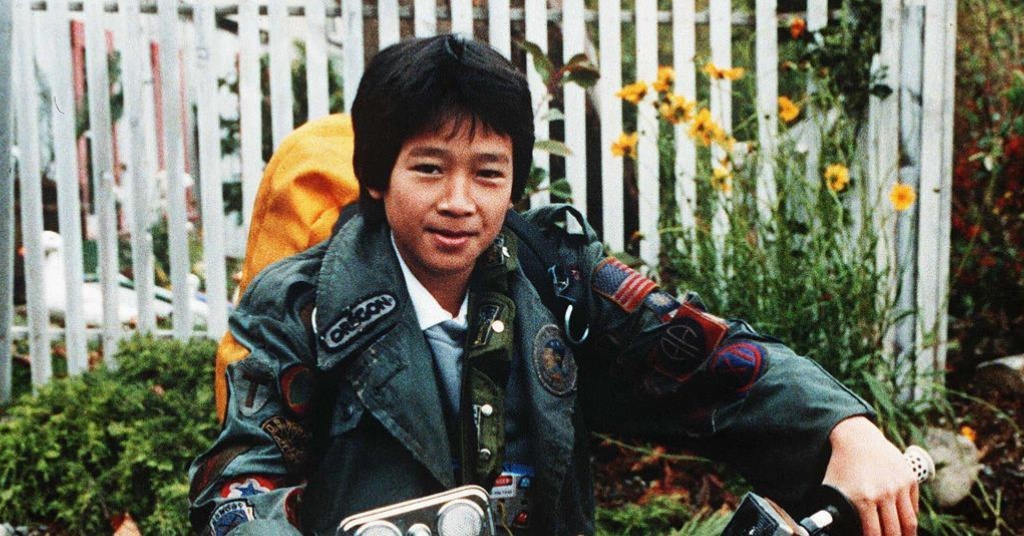
Ke Huy Quan. He was a beloved child actor in Indiana Jones and the Temple of Doom and The Goonies in the 1980s, then largely stepped away from acting because roles for Asian American actors dried up. He spent years working behind the camera as a stunt coordinator and assistant director instead. Then Everything Everywhere All at Once happened in 2022, and he won the Academy Award for Best Supporting Actor, which is about as complete a comeback arc as Hollywood produces.
Brendan Fraser. Once a huge action-comedy star through The Mummy franchise, Fraser faded from the spotlight for years after speaking publicly about being sexually assaulted by a former Hollywood Foreign Press Association president, which he says led to industry blacklisting on top of physical injuries from his stunt-heavy roles. The Whale brought him back in 2022 with a Best Actor Oscar win, and he’s kept working steadily since, with strong reviews for 2025’s Rental Family and an upcoming role playing Dwight D. Eisenhower in Pressure.
Demi Moore. She hadn’t headlined a major film in years before The Substance in 2024, a body-horror film that earned her a Best Actress Oscar nomination and a string of other awards. What makes this one land is the timing, she took the role in her 60s, in an industry that’s historically been brutal to actresses once they pass a certain age.
Matthew McConaughey. This might be the most studied comeback in modern Hollywood, often nicknamed “The McConnaissance.” After years stuck in interchangeable romantic comedies through the 2000s, he deliberately pivoted toward harder, stranger roles, HBO’s True Detective, The Wolf of Wall Street, and Dallas Buyers Club, which won him a Best Actor Oscar. The lesson here is that he didn’t wait for one lucky role, he actively turned down easier paydays to force the shift.
Mickey Rourke. A major star in the 1980s who walked away from acting to pursue professional boxing, which led to serious facial injuries and reconstructive surgery. He slowly worked his way back through smaller films before The Wrestler in 2008 landed him an Oscar nomination and a Golden Globe win, in a role that many critics noted mirrored his own real-life comeback story almost too perfectly.
Winona Ryder. A massive star in the ’80s and ’90s, she stepped back from the spotlight for stretches afterward. Stranger Things brought her back to mainstream attention starting in 2016, and she’s remained a fixture of the show through its final season, which premiered in late 2025.
Guy Pearce. He’s shared that a studio executive once told his agent he’d “never employ Guy Pearce,” which reportedly blocked him from major roles in Christopher Nolan’s Batman films. Rather than fading out, he kept working steadily in smaller projects and TV, and The Brutalist brought him a wave of new recognition, including a Satellite Award for Best Supporting Actor.
Lindsay Lohan. After a well-documented rough patch in the 2010s, she’s rebuilt her career through a run of Netflix films, Falling for Christmas, Irish Wish, and 2025’s Freakier Friday, trading the chaos that used to define her headlines for something a lot more consistent and low-drama.
The Pattern Behind Every One of These
Once you line these stories up, a shape starts to repeat. Almost none of these comebacks happened because someone got a single lucky break. McConaughey deliberately said no to easier work for years before True Detective landed. Fraser and Rourke both spent real time rebuilding trust and physical health before their signature comeback roles even came along. Ke Huy Quan worked behind the camera for over a decade before stepping back in front of it.
The common denominator is patience combined with a genuinely strong project, not just a return appearance for its own sake.
Step-By-Step: How to Verify a Comeback Story Before You Trust It
Step 1: Check if the movie or show actually exists. This sounds almost insulting to mention, but after my “Julianne Vance” experience, I now search the exact title on IMDb before reading any further. If it doesn’t show up there, or on Rotten Tomatoes, treat the entire article with suspicion.
Step 2: Look for actual awards or box office data, not just adjectives. “Stunning comeback” and “jaw-dropping return” are marketing language. An Oscar nomination, a Golden Globe win, or verified box office numbers from Box Office Mojo are actual evidence.
Step 3: Check whether there’s a follow-up project. A true comeback usually has at least one more solid credit after the breakout moment. If someone had one buzzy role and then nothing since, it might be too early to call it a comeback rather than a single good performance.
Step 4: Cross-reference with a real entertainment outlet. Variety, The Hollywood Reporter, and Deadline all cover comeback narratives extensively and rely on verifiable sourcing. If a claim only shows up on generic aggregator sites with vague author bios, dig deeper before repeating it.
Step 5: Use IMDb’s STARmeter or a service like Parrot Analytics for streaming shows. These track actual audience attention over time, which gives you a real signal of whether someone’s genuinely back in the conversation or just had one viral clip.
Mistakes I Made Chasing This Down
I almost included that fabricated Ke Huy Quan story about a second Oscar win for a movie called “As the World Folds,” which doesn’t exist. His real comeback, through Everything Everywhere All at Once, is genuinely one of the best stories in this entire list, and it didn’t need an invented sequel to be compelling.
I also initially conflated “getting a lot of press this month” with an actual comeback. Plenty of celebrities get a temporary wave of attention from a single red carpet appearance or interview clip that fades within weeks. The names that hold up here all have multiple data points, awards, box office, or consistent follow-up work, not just one viral news cycle.
And I underestimated how long some of these comebacks actually took. McConaughey’s shift didn’t happen overnight, it took years of deliberately turning down certain roles before the pieces came together. Patience is a much bigger factor in these stories than most quick-hit articles give it credit for.
Final Thought
What actually stuck with me putting this together, past the fake article detour, is how much these real comebacks depend on somebody being willing to sit in an uncomfortable, unglamorous middle stretch before things turn around. Fraser needed years of healing before The Whale. Ke Huy Quan spent over a decade behind the camera before stepping back in front of it. Nobody skipped that part.
If there’s a real lesson buried in all this, it’s that the comeback story people love to celebrate is really just the visible tip of a much longer, much quieter rebuilding period that happened completely out of view.