I showed my sister a screenshot of Cristiano Ronaldo’s Instagram follower count last month and she genuinely didn’t believe me. “Nobody has that many followers,” she said. I had to pull up his actual profile mid-argument to prove it.
He’s sitting north of 650 million followers right now. That’s not a typo. That’s more people than the entire population of the United States, all following one soccer player’s account.
Once I got over that number, I got curious about the rest of the list, and honestly, the rankings below him tell a more interesting story than the top spot does. So I dug through the actual current data instead of trusting whatever outdated “top 10” post showed up first in search results.
Who’s Actually at the Top Right Now
Instagram’s own official account — around 685–700 million followers. This one trips people up constantly. The platform’s own account is technically the most-followed thing on Instagram, ahead of every human being. It’s been active since 2012 and just keeps accumulating followers by default, since a lot of people follow it once and never unfollow anything.
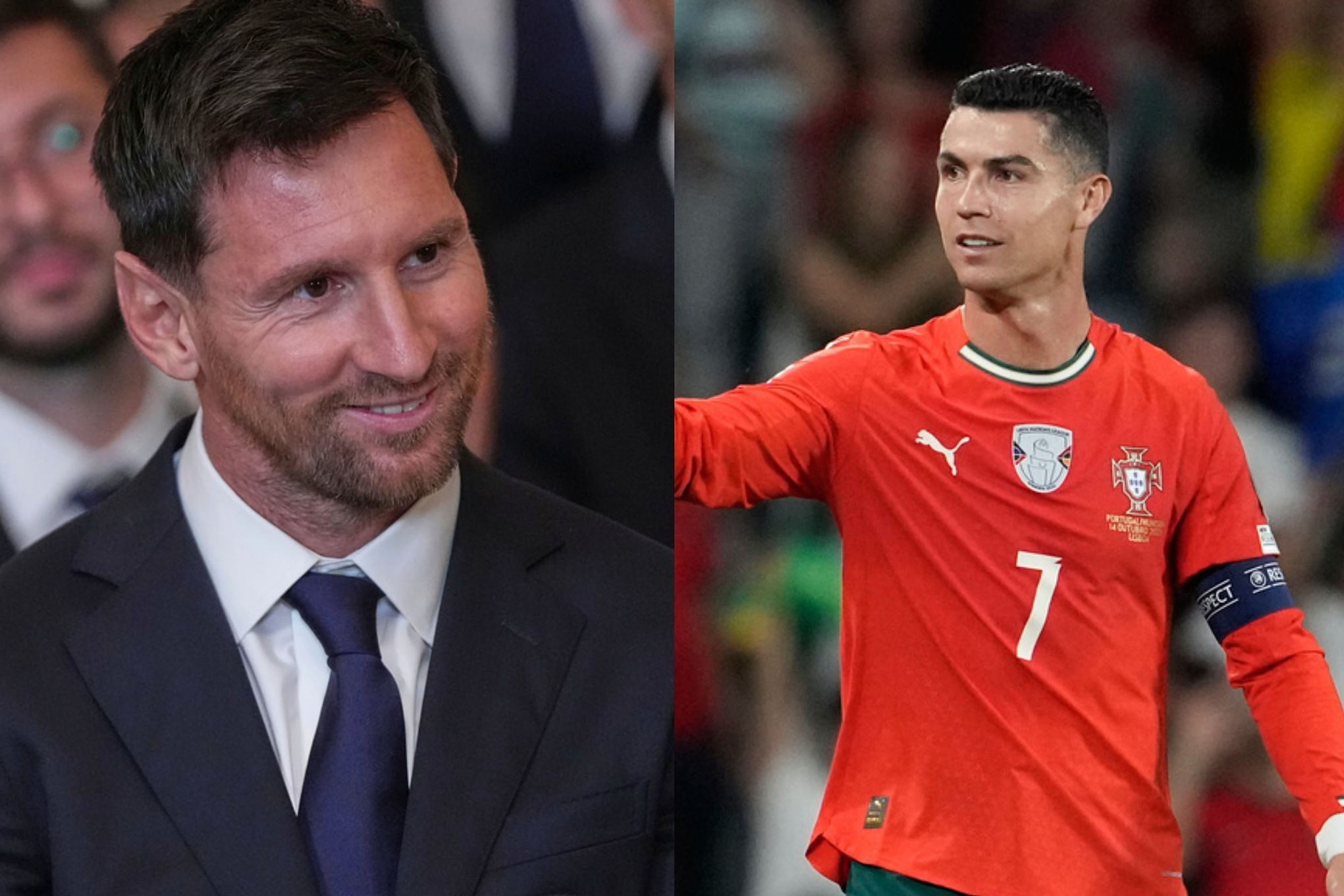
Cristiano Ronaldo — around 650–672 million followers. He’s comfortably the most-followed actual person on the platform, and has been for years. His account mixes personal content, training footage, and sponsored posts, and he posts consistently enough that his numbers keep climbing instead of plateauing.
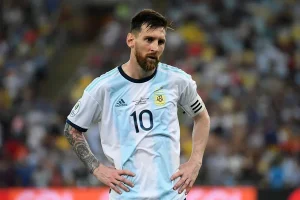
Lionel Messi — around 510 million followers. The second most-followed individual, and together with Ronaldo, these two footballers account for over 1.1 billion combined followers. That’s a genuinely wild stat when you sit with it. Messi writes most of his captions in Spanish with English translations added, which is a small detail that’s helped him keep a global audience engaged.
Selena Gomez — around 417–430 million followers. She’s the most-followed woman on Instagram, and her content is genuinely varied. One day it’s a magazine shoot, the next it’s a behind-the-scenes clip from Rare Beauty, her cosmetics brand.
Kylie Jenner — around 391–392 million followers. Her account blends family content with her Kylie Cosmetics business, and she’s one of four Kardashian-Jenner family members who show up in the top 20 individually.
Dwayne “The Rock” Johnson — around 382–391 million followers. Movie promotion, his tequila brand Teremana, and personal life content all show up in his feed, and he’s consistently one of the most engaged-with accounts in his follower tier.
Ariana Grande — around 363 million followers. Music releases, acting work, and glimpses into her studio sessions keep her account active between album cycles.
Kim Kardashian — around 353 million followers. SKIMS content dominates a huge chunk of her feed now, which says a lot about how her business has taken over what used to be a purely personal-life account.
The Kardashian-Jenner Effect Is Bigger Than People Realize
Here’s a stat that actually stopped me mid-scroll: the Kardashian-Jenner family holds four individual spots in the top 20, and combined, Kim, Khloé, Kylie, and Kourtney command over 1.25 billion follower slots between them. That’s a single family’s Instagram footprint larger than the population of most continents.
No other family, group, or brand comes close to that kind of collective reach on the platform. It’s a good reminder that Instagram fame isn’t just about one viral account, it’s often about an entire ecosystem of connected accounts feeding each other’s growth.
Football Dominates in a Way Nothing Else Does
Six of the top 50 individual and brand accounts on Instagram are football-related: Ronaldo, Messi, Neymar, Mbappé, Beckham, plus Real Madrid and FC Barcelona as club accounts. No other single sport gets anywhere close to that kind of collective presence.
That makes sense once you think about it. Football’s fan base is genuinely global and cuts across income levels in a way that American sports, Bollywood, or K-pop don’t quite manage. A kid in Lagos, Manila, and São Paulo can all be following the same footballer, which isn’t really true for, say, an NFL player.
The Part Nobody Talks About: Follower Count Isn’t Engagement
This is the piece that actually changed how I think about these lists. Accounts above 100 million followers typically see engagement rates between 0.2% and 0.6%, well below the 1.2% average for smaller “mega-tier” influencer accounts. The bigger the audience gets, the more it dilutes with passive followers who never actually interact with a post.
MrBeast is a good example of the opposite effect. He sits at around 85 million followers on Instagram, which puts him at the very bottom of the top 50, yet his engagement rate is close to 1.1%, meaningfully higher than accounts three to ten times his size. Niche authority and an engaged audience genuinely beats raw follower count if you’re measuring actual influence rather than just a number on a profile.
Step-By-Step: How to Check These Numbers Yourself
Step 1: Go straight to the profile, not a third-party list. Follower counts shift daily, and a list that was accurate in January can be off by tens of millions by June. Checking the actual Instagram profile takes ten seconds and eliminates a huge source of error.
Step 2: Use Social Blade for historical tracking. If you want to see whether an account is actually growing or has plateaued, Social Blade tracks follower history over time instead of just giving you a single snapshot number.
Step 3: Check engagement rate, not just follower count, if you actually care about influence. Tools like HypeAuditor or GetInstaView break down engagement rate alongside raw numbers, which tells you a lot more about how active an audience actually is.
Step 4: Compare at least two sources before publishing a number. I found real disagreement between trackers on several of these accounts, sometimes by 10-20 million followers, depending on when the data was last pulled. Wikipedia’s most-followed Instagram accounts page is usually a solid baseline since it’s updated frequently and sources from multiple trackers.
Step 5: Watch for accounts that get lumped in as “celebrities” when they’re actually brands. Nike and National Geographic both show up in the top 20 with well over 280 million followers each. If you’re specifically writing about people, make sure you’re filtering brand accounts out first.
Mistakes I Made Looking Into This
I assumed the most-followed account overall would be a person. It’s not. Instagram’s own account beats every human on the platform, which feels almost too obvious in hindsight but genuinely surprised me the first time I saw the actual ranking.
I also assumed bigger accounts would automatically mean more cultural influence. That’s backwards, based on the engagement data. A creator with a tenth of Ronaldo’s followers can genuinely move more product or spark more real conversation if their audience is more engaged, which is exactly why brands increasingly care about engagement rate over raw reach when picking who to work with.
And I nearly quoted an old follower count for Ronaldo that was a good 20 million off from his current number, because I grabbed it from an article that hadn’t been updated since earlier in the year. Always check the publish date, and when possible, verify against the live profile.
Final Thought
What actually stuck with me after going through all this isn’t who’s sitting at number one. It’s how much the story changes once you look past the raw follower count. Football’s global reach explains the top of the list better than fame alone does, one family’s combined footprint rivals entire countries, and the account with the smallest number in the top 50 might actually have the most engaged audience of them all.
Follower count is the headline number everyone quotes, but it’s really just the entry point into a much more interesting picture of how global attention actually gets distributed.